


Where Should LPR Cameras Be Installed for the Best Results?
License Plate Recognition, or LPR, cameras can be a powerful addition to a surveillance system, but their performance depends heavily on where and how they are installed. Even a high-quality LPR camera can struggle if vehicles are too far away, plates enter the scene at a steep angle, or lighting constantly works against the camera.
For security dealers and integrators, proper placement is just as important as selecting the right equipment. Here are some of the most important factors to consider when installing an LPR camera.
Start With Vehicle Choke Points
One of the best places for an LPR camera is a location where vehicles naturally pass through a predictable area.
Parking lot entrances and exits, gated communities, parking garages, private driveways, loading areas, and controlled access roads are strong candidates because vehicles are funneled through a specific point.
Rather than trying to capture plates across an entire parking lot, position the camera where vehicles consistently enter its field of view. Industry guidance recommends focusing the camera on the lanes that actually need to be monitored rather than capturing a wider scene than necessary.
A tighter, more controlled capture area gives the camera a better opportunity to produce a usable image of each plate.

Keep the Camera as Head-On as Possible
Camera angle is one of the biggest factors affecting license plate capture.
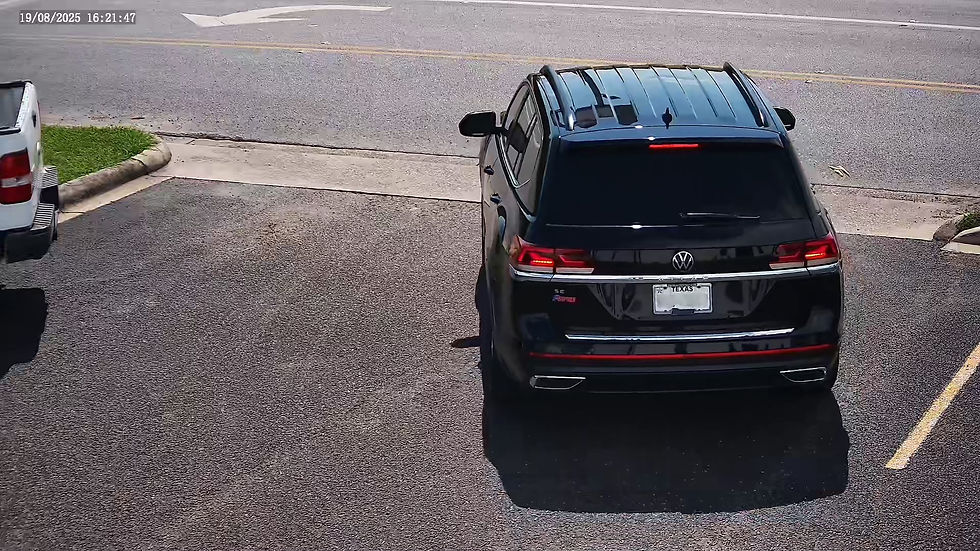
An LPR camera should generally face the front or rear of vehicles as directly as the site allows. Installing the camera too far off to one side or too high above traffic creates a sharper viewing angle, which can distort the appearance of the plate.
Axis Communications, for example, recommends minimizing the angle between the camera and the vehicle's direction of travel and keeping its License Plate Verifier installations within a 30-degree mounting angle.
The exact requirements will vary by camera, lens, distance, and installation environment, so installers should always follow the specifications of the LPR model being deployed.
Consider Vehicle Speed
A camera watching a controlled gate has a very different job from a camera monitoring vehicles moving along a roadway.
When possible, install LPR cameras in locations where vehicles naturally slow down. Entry gates, turns, speed bumps, parking garage entrances, and access-control points give the camera more opportunity to capture a clear plate.
For faster-moving traffic, camera selection and placement become even more important. The system needs to be designed around the expected vehicle speed, capture distance, lens, exposure settings, and available lighting.

Pay Attention to Lighting
A perfect daytime installation can become a completely different scene after sunset.
Headlights, streetlights, direct sunlight, reflections, shadows, and changing weather conditions can all affect license plate visibility. Avoid positioning a camera where it constantly points into strong direct sunlight or other intense light sources.
The installation should be evaluated during both daytime and nighttime conditions whenever possible.
ToughDog offers dedicated ANPR camera options, including 2MP and 4MP ANPR bullet cameras, designed specifically for license plate applications. Using a dedicated LPR solution allows installers to build the system around the unique demands of plate capture rather than asking a general surveillance camera to perform two different jobs.

Give the Camera a Clear Line of Sight
An LPR camera needs an unobstructed view of the area where plates will be captured.
Trees, signs, gates, parked vehicles, columns, landscaping, and other objects can interfere with the camera's view. The placement should account not only for what the property looks like during installation, but also for how the environment changes throughout the day.
For example, a capture point that works when a parking lot is empty may become partially blocked once cars begin lining up at an entrance.
Don't Try to Make One Camera Do Everything
A common installation mistake is expecting one camera to provide a wide overview of the property while also capturing detailed license plates.
Those are two different surveillance objectives.
A general surveillance camera can provide situational awareness, while a dedicated LPR camera can be tightly positioned and zoomed for plate capture. Using each camera for its intended purpose can produce much stronger results.
Get Better Results With Proper System Design
There is no universal mounting location that works for every LPR installation. Vehicle speed, lane width, lighting, distance, camera height, traffic direction, and the specific camera all influence the final design.
That is why site evaluation matters.
At Toughdog Security Systems, we provide dealers and integrators with surveillance solutions designed for real-world security applications, including dedicated ANPR cameras for vehicle and license plate monitoring.
The best LPR system starts before the camera is mounted. Choose the right capture point, control the viewing angle, account for lighting and traffic, and configure the camera specifically for the vehicles you need to identify.
Need help selecting an LPR solution for your next project? Contact Toughdog Security Systems to find the right camera for your application.


Comments